In the fast-paced, ever-changing world of healthcare, nurses stand as the backbone of patient care, balancing empathy with expertise and compassion with precision.
To thrive in this demanding yet rewarding profession, nurses must cultivate a diverse skill set beyond medical knowledge and technical abilities. From critical thinking to effective communication, the essential skills every nurse should master enhance patient outcomes and ensure a fulfilling and resilient career.
In this article, we delve into the core competencies that define exceptional nursing practice, exploring how these skills equip nurses to navigate the complexities of modern healthcare with confidence and care.
Clinical Skills
As healthcare providers, nurses’ clinical skills are essential. Being accurate and effective with diagnosis or treatment can sometimes mean life or death for a patient, so keeping clinical skills strong and up-to-date with the latest medical advancements is paramount. Here are a few things to think about when assessing your clinical skills:
Patient Assessment
Conducting thorough patient assessments is a fundamental clinical skill for nurses. It involves gathering health histories, performing physical examinations, and recognizing abnormalities. Patient assessments are critical when diagnosing problems. Accurate documentation, asking the right questions, and listening to patients can help save a life.
Medication Administration
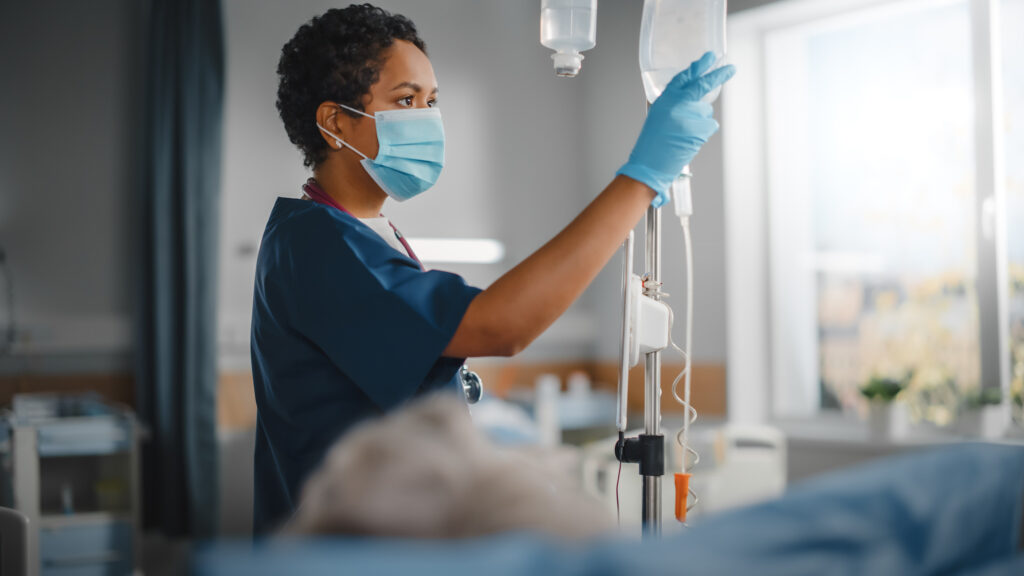
Proper medication administration is vital for patient safety. Nurses must follow correct procedures to administer medications accurately, monitor patients for adverse reactions, and avoid medication errors. This skill ensures patients receive the proper dosage and treatment at the right time.
Wound Care and Management
Nurses must be proficient in basic wound care techniques, including dressing changes and infection control. Recognizing signs of infection and potential complications early can significantly improve patient outcomes.
Communication Skills
Communication is a vital skill for nurses. ANA-Illinois has identified two of the most essential communication skills for nurses: patient and team communication.
Patient Communication
Effective communication with patients can be lifesaving. It involves empathy and active listening to understand patient concerns, provide reassurance, and deliver clear instructions. Strong patient communication builds trust and enhances the overall patient experience. Hearing your patients’ needs puts nurses in a better position to care for them and advocate for them.
Team Collaboration
Nurses work closely with other healthcare professionals, making team collaboration a key skill. Clear and concise communication is particularly important in emergencies to ensure coordinated and efficient patient care. Successful collaboration leads to better patient outcomes and a cohesive healthcare environment.
Delegation
Understanding delegation is essential for registered nurses to ensure high-quality patient care, optimize team performance, and comply with legal and ethical standards. By mastering the principles of delegation, RNs can enhance their practice, support their colleagues, and improve outcomes for patients.
Critical Thinking and Problem-Solving

Nurses are professional problem-solvers. Patients looking for relief come to healthcare settings looking to solve their problems, and nurses are often the ones to do it. Building critical thinking skills is necessary to be the best nurse you can be.
Decision-Making in High-Stress Situations
Nurses face high-stress situations requiring quick, effective decision-making. Developing strong critical thinking skills allows nurses to assess situations, consider potential solutions, and swiftly implement the best course of action.
Prioritization and Time Management
Managing multiple patients and tasks is a daily challenge in nursing. Effective prioritization and time management are essential for ensuring all patients receive the care they need. Tools and techniques such as task lists and time-blocking can help nurses stay organized and efficient.
Emotional Resilience and Stress Management
Taking care of yourself is the first step in taking care of others. Nursing is a high-stress profession, and coping with stress and avoiding burnout is critical for maintaining a long and healthy career. Strategies for managing stress include regular self-care, accessing mental health resources, and developing a support network among colleagues.
Learn more about dealing with stress and burnout with ANA-Illinois!
Leadership and Advocacy
Empowering policy influence, patient advocacy, and fostering team collaboration are all part of one of the most crucial skills for nurses: leadership and advocacy.
Leading Patient Care Teams
Nurses who lead patient care teams must possess leadership qualities. Effective leaders inspire and mentor junior staff, fostering a positive and productive work environment. Leadership skills include effective communication, problem-solving, and delegating tasks appropriately.
Patient Advocacy
Nurses play a crucial role as patient advocates. They ensure that patients’ needs and preferences are respected and that they receive appropriate care. Techniques for effective patient advocacy include clear communication, knowledge of patient rights, and the ability to navigate the healthcare system.
Building Skills, Bettering the Future, ANA-Illinois
A wide range of skills is essential to providing high-quality care and excelling in nursing. Continuous learning and skill development are crucial for staying current in the ever-evolving nursing field. By honing these essential skills, nurses can significantly impact patient care and contribute to the success of healthcare teams.
ANA-Illinois is dedicated to nursing development. By joining ANA-Illinois, you join an organization with the resources to help you develop your skills and learn new ones.
Find out why ANA-Illinois is right for you, and join today!